

Why You May Need an Immigration Interpreter
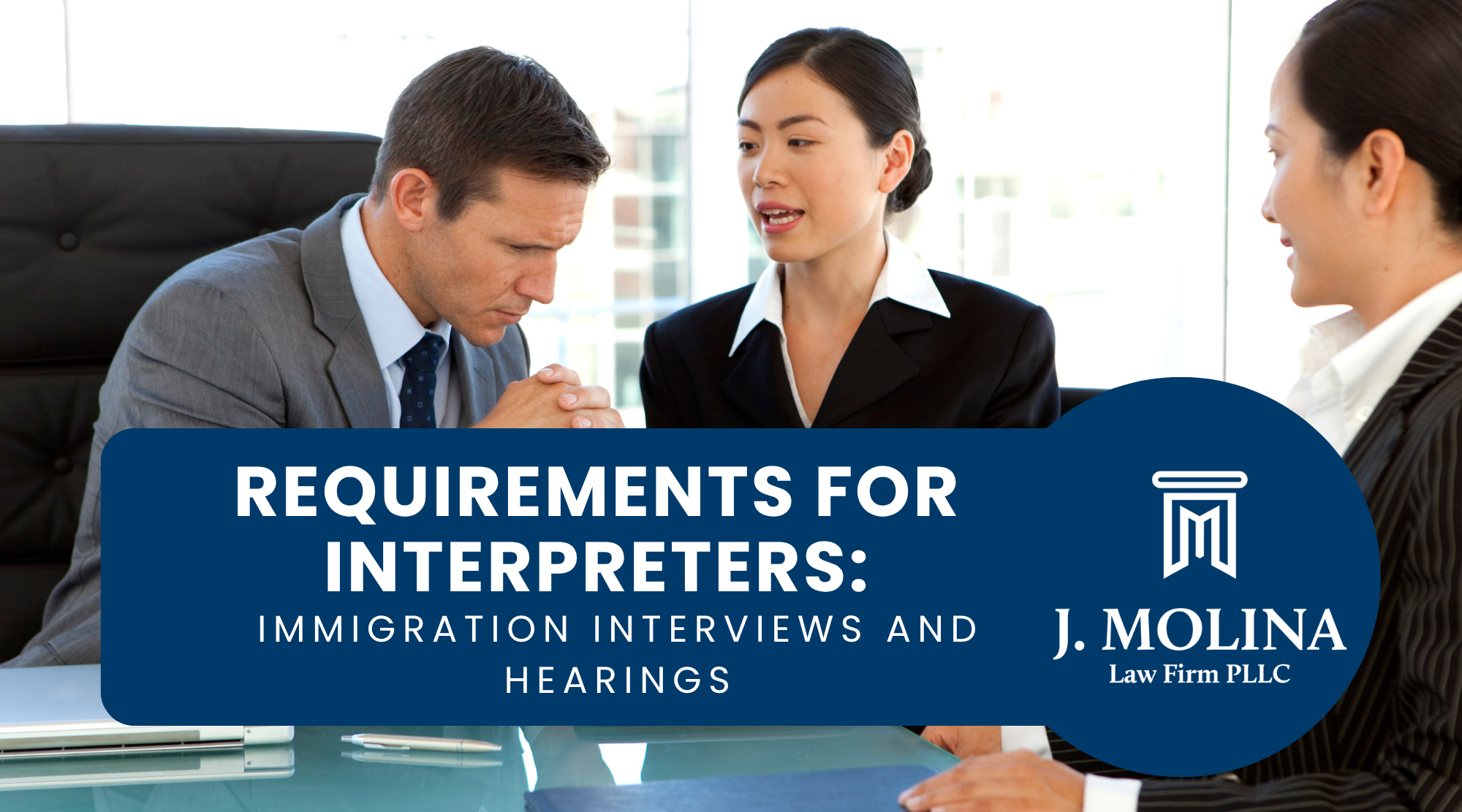
If you are not fluent in English or don’t feel confident communicating in this language during a legal process, you have the right to use an immigration interpreter. Whether you’re attending a USCIS interview or an immigration court hearing, a qualified interpreter ensures you understand what’s happening and can respond clearly and effectively. A translation error can seriously affect the outcome of your case.
When Can You Use an Immigration Interpreter?
You may request an immigration interpreter if:
- English is not your primary language.
- You have a disability that affects your ability to communicate.
- You’re involved in a legal immigration process where clear communication is essential.
This includes:
- USCIS interviews (for example, asylum, adjustment of status, or naturalization).
- Immigration court hearings before a judge.
- Sworn statements or interviews with immigration officers.
USCIS Interpreter Requirements
As of May 2023, USCIS no longer provides interpreters for most interviews (with exceptions such as asylum cases). If you need one, you must bring your own immigration interpreter, but there are strict requirements.
Your interpreter must:
- Be at least 18 years old.
- Be fluent in both English and your native language.
- Not be your attorney or have a personal interest in the outcome (this excludes family members and sponsors).
Your immigration interpreter must also complete and sign Form G-1256, confirming their language skills and agreeing to interpret truthfully and accurately. If the USCIS officer believes the interpreter is unqualified or not translating correctly, the interview may be canceled or rescheduled.
Who Provides the Immigration Interpreter in Court?
In immigration court hearings (EOIR), the government provides a free immigration interpreter if you need one. You are not responsible for bringing your own. These interpreters:
- Are appointed by the Department of Justice.
- Must swear to provide accurate and complete translations.
- Are trained in legal terminology and immigration procedures.
This ensures that every immigrant, regardless of language, has access to a fair legal process.
What Happens If No Interpreter Is Available?
In rural or underserved areas, delays can happen if no qualified immigration interpreter is available. For USCIS interviews, if your interpreter does not meet the requirements, your appointment may be canceled, resulting in unnecessary delays.
That’s why it’s so important to prepare ahead and ensure your interpreter meets all legal standards.
Need Help Preparing for Your Interview or Hearing?
At J. Molina Law Firm, we know that accurate communication is essential in every immigration case. We help our clients prepare for interviews and court hearings, including guidance on choosing the right immigration interpreter.