

What Does a DWI Mean If You’re Going Through Immigration?
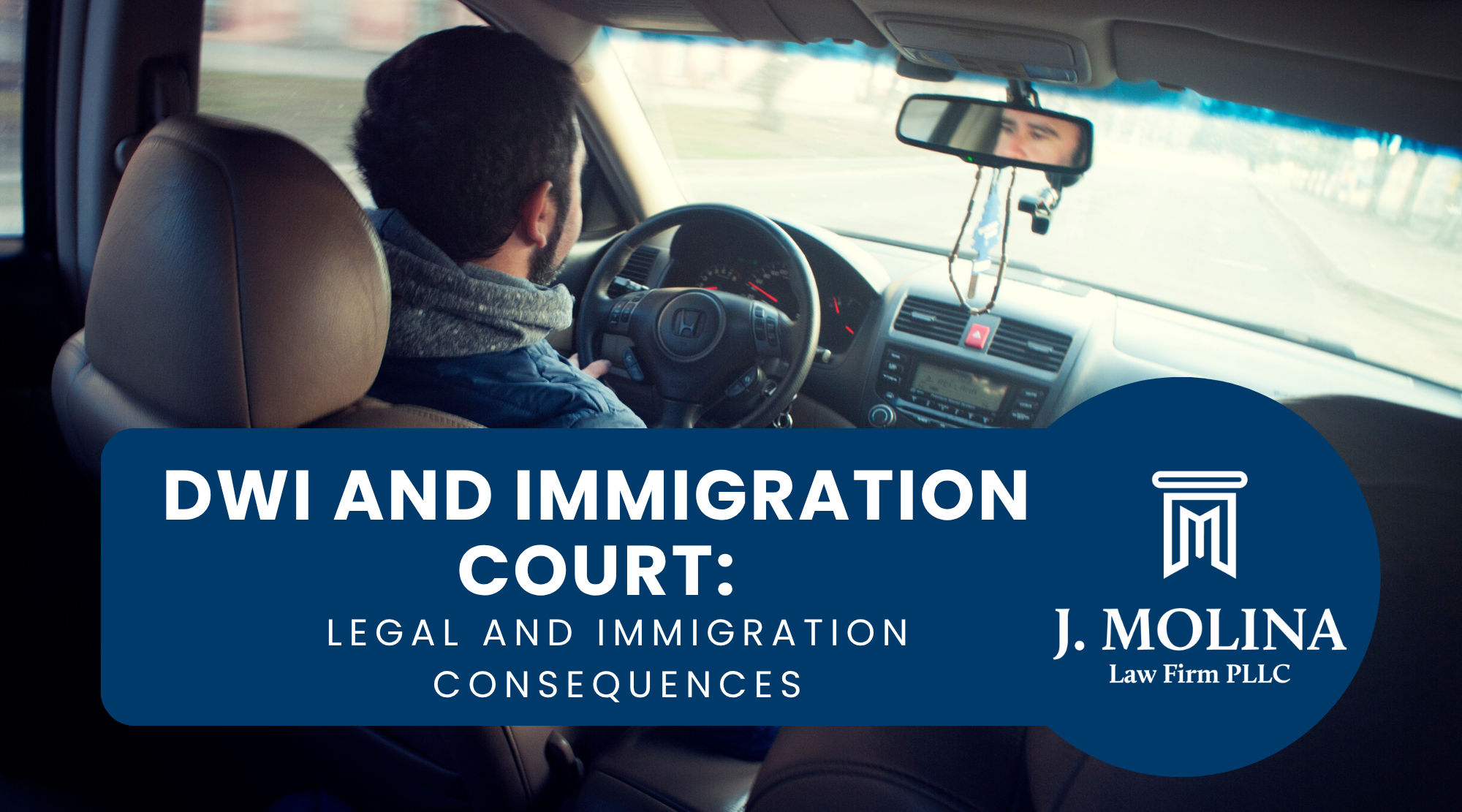
Being arrested for Driving While Intoxicated (DWI) or Driving Under the Influence (DUI) carries serious consequences, not just criminal, but immigration-related as well. Many people think a DWI is a minor offense, but if you’re an immigrant, even one conviction can complicate your future in the U.S.
Whether you’re undocumented, a permanent resident, or applying for a visa or green card, it’s crucial to understand how a DWI might impact your case in immigration court.
How Can a DWI Affect Your Immigration Case?
The immigration consequences of a DWI vary depending on your current status and legal history:
1. If You Are in Removal Proceedings
If you’re already in deportation proceedings, a DWI conviction may be used by the government to argue that you don’t deserve immigration relief. While a single DWI may not automatically make you deportable, it can seriously hurt your case if the judge is evaluating whether you have “good moral character.”
2. If You’re Applying for a Green Card
When applying for lawful permanent residence, U.S. immigration authorities will review your criminal record. A single DWI without aggravating factors may not disqualify you, but multiple DWIs, or one involving injury, drugs, or a child in the car, could make you inadmissible. In those cases, you might need a waiver to continue your application.
3. If You’re Applying for U.S. Citizenship
To become a naturalized U.S. citizen, you must show “good moral character” during the last 5 years (or 3 years if you’re married to a U.S. citizen). A recent DWI conviction can impact that evaluation and delay or deny your citizenship application.
When Does a DWI Become a Serious Immigration Problem?
- Multiple DWIs: A pattern of repeated offenses raises red flags and may harm your eligibility for immigration benefits.
- DWI Involving Drugs: If your conviction includes drug use, such as marijuana or cocaine, the consequences can be far more severe. Immigration law is especially strict when it comes to drug-related offenses.
- DWI with Injury or Property Damage: If your DWI resulted in harm to others or damage to property, it may be considered a felony, which increases your risk of deportation.
What Should You Do If You Have a DWI and an Immigration Case?
The most important thing: Don’t face this alone. A mistake in how your case is handled could have long-term consequences. Here are some steps to take:
- Consult with an immigration attorney who understands both the criminal and immigration aspects of your case.
- Obtain your full criminal record to know exactly what charges or convictions are on file.
- Never lie on immigration forms. USCIS and the immigration court can access your criminal history, and hiding it can make things worse.
- Explore the option of a waiver if you’re deemed inadmissible because of a DWI or other criminal conviction.
Need Legal Help? Call J. Molina Law Firm
Having a DWI doesn’t automatically mean your immigration case is over. At J. Molina Law Firm, we’ve helped many clients defend their rights in immigration court. We’ll analyze your situation, protect your interests, and guide you through the process with honesty.
Call us today for a confidential consultation. Every case is different, and you deserve personalized, effective legal support.